
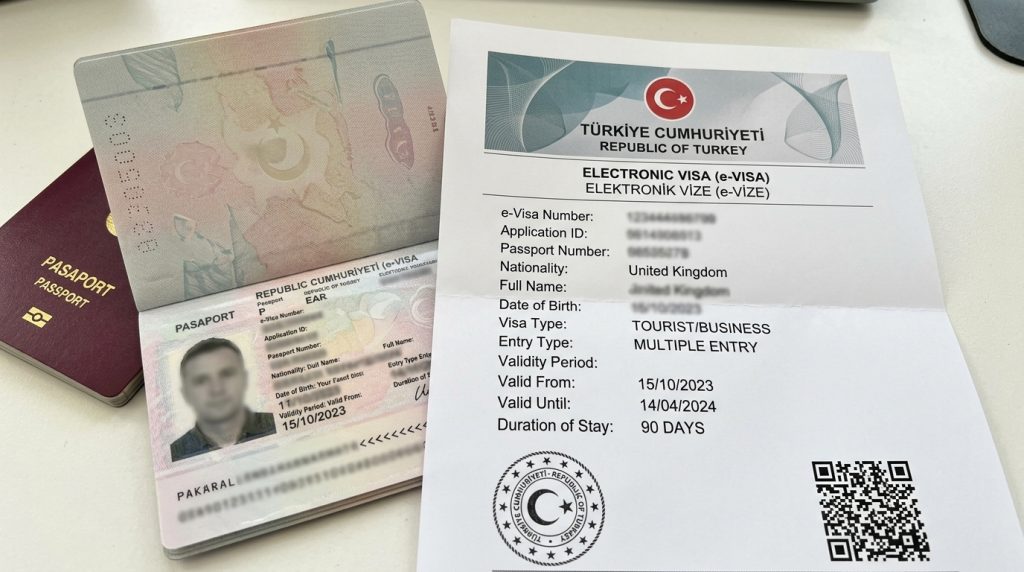
Turkey stands as a captivating geopolitical crossroads, bridging Europe and Asia with a rich tapestry of history, trade, and culture. From the bustling grand bazaars of Istanbul to the industrial manufacturing centers of Izmir, the country is a primary destination for both leisure travelers and global entrepreneurs. To streamline entry for millions of annual visitors, the Turkish government utilizes an efficient electronic visa system.
Navigating this digital landscape successfully requires a clear understanding of the protocols involved. By organizing your documentation and choosing the right track, you can ensure a smooth entry at the border.
The Digital Path to Entry
The transition from physical embassy appointments to an online entry system has drastically simplified global travel logistics. Today, eligible passport holders can secure their entry credentials from the comfort of their home or office, eliminating the stress of mailing physical passports to a consulate.
Initiating the Turkey Visa Application involves completing a structured online questionnaire. This web-based portal requests basic personal history, passport specifics, and your projected date of arrival. Clerical precision is absolutely paramount during this stage. The automated systems used by border control are uncompromising; even a minor typo, such as transposing digits in a passport number or misspelling a middle name, can result in processing delays or immediate entry rejections.
Once the data is submitted and the processing fee is paid via a credit or debit card, the approved electronic travel authorization is delivered directly to your email inbox, typically within 24 to 72 hours.
Commercial Travel and Economic Gateways
While tourism drives a massive portion of international arrivals, Turkey’s strategic location makes it an essential hub for international commerce, trade conventions, and corporate meetings. Business professionals looking to explore these commercial horizons must ensure they choose the appropriate visa category to match their itinerary.
If your journey involves attending a corporate seminar, negotiating supplier contracts, purchasing commercial goods, or participating in a trade exhibition, securing a Turkey Business Visa is a necessity. This specific electronic document legally permits short-term commercial engagements within the country. Depending on your nationality, this authorization allows for a stay of either 30 or 90 days within a rolling 180-day window. It is important to remember that while the business track covers commercial meetings and networking events, it does not grant permission for local, long-term employment or setting up a permanent local residency.
Crucial Preparations for the Departure Gate
Securing your approved digital authorization is a major milestone, but a successful arrival still depends on satisfying the physical verification requirements enforced by Turkish immigration authorities.
- Passport Validity Rules: Your passport must possess a minimum validity of 60 days beyond the total duration permitted by your electronic entry document.
- Physical Documentation: Always print out a hard copy of your approved electronic visa. While digital copies on smartphones are generally accessible, system outages at border terminals can make physical paper copies invaluable.
- Supporting Evidence: Corporate travelers should always carry a formal business invitation letter from their Turkish host company or a confirmation ticket for their industry trade show to verify the exact purpose of their stay upon request.
By aligning your travel objectives with the correct digital application track and maintaining strict data accuracy, you can focus entirely on maximizing your opportunities in this dynamic, historic nation.
