
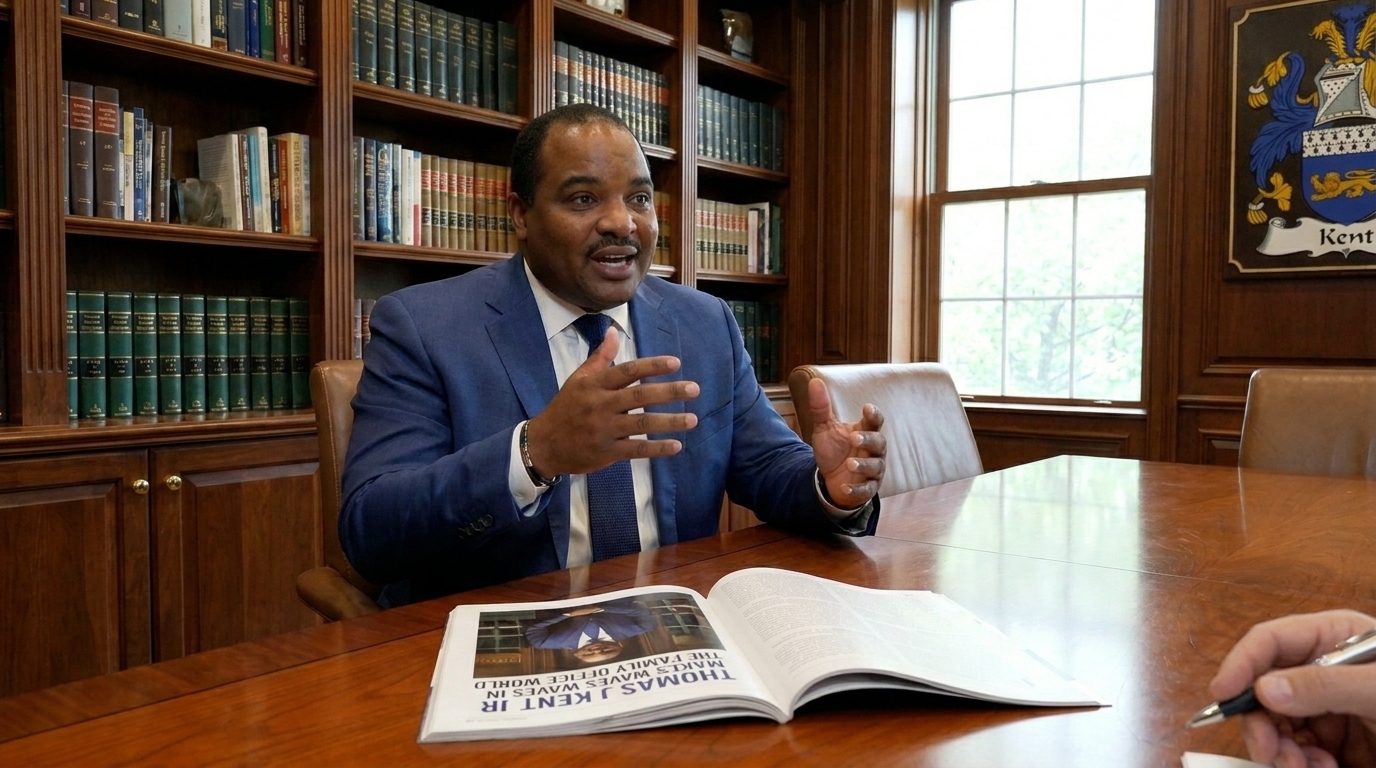
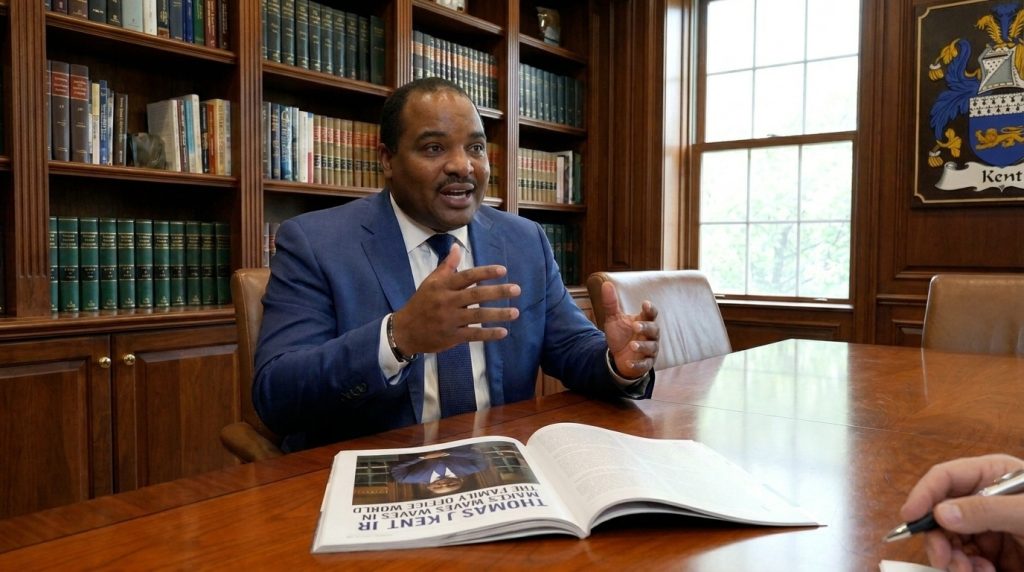
In the rapidly evolving world of global finance, the structure of wealth management has undergone a profound shift. The traditional family office, once characterized by conservative, long-term preservation of assets, is transforming into a sophisticated, agile investment vehicle. Leading this shift is Thomas J. Kent Jr., whose multifaceted approach has drawn significant attention to the pivotal role that well-structured family offices play in the current economic climate. By navigating complex sectors ranging from international finance to the entertainment industry, leaders like Kent are proving that a modern, purpose-driven approach to private capital is essential for long-term success.
The Evolution of the Family Office
A family office serves as a dedicated hub for ultra-high-net-worth individuals to manage their financial, legal, and philanthropic affairs. However, the definition of these entities is expanding. Modern family offices are no longer just passive containers for wealth; they are active, strategic participants in the global market.
This evolution is largely driven by a desire for greater control, transparency, and diversification. As market volatility becomes a constant, many families are choosing to bring their financial management in-house. This allows for a more personalized investment strategy that aligns directly with their long-term legacy goals and risk tolerance.
Innovation and Strategic Diversification
One of the most notable trends in the industry is the shift toward “alternatives.” Beyond traditional public equities and bonds, family offices are increasingly allocating capital toward direct venture investments, real estate, and creative industries like film and media production.
For example, Kent Global LLC has exemplified how an international investment firm can bridge the gap between niche startup opportunities and larger, institutional-level projects. This ability to operate across different scales—from early-stage ventures to complex, cross-border commercial lending—highlights the agility that defines today’s most effective family offices.
By diversifying into non-correlated assets, these organizations protect their capital against the fluctuations of the broader market while simultaneously gaining exposure to high-growth, high-impact sectors. This “patient capital” approach allows entrepreneurs the breathing room they need to innovate, often resulting in superior long-term returns for the family office.
The Intersection of Philanthropy and Finance
A defining characteristic of many modern family offices, including the one managed by Thomas J. Kent Jr., is the integration of philanthropy and social responsibility into the investment thesis. Today’s leaders recognize that financial success is most sustainable when it is paired with a commitment to broader social progress.
Whether through supporting film projects that highlight critical global issues or engaging in strategic lending that empowers small businesses, these offices are proving that capital can be a powerful force for good. This dual focus on profitability and purpose not only builds a more resilient portfolio but also fosters a reputation for integrity and forward-thinking leadership in the global business community.
Navigating Complexity with Vision
Operating a successful family office requires more than just financial acumen; it requires a vision that transcends simple quarter-over-quarter growth. It demands a deep understanding of geopolitical trends, a robust network of professional advisors, and the courage to pursue unconventional investment paths.
For those looking to understand the mechanics of these institutions, Www.kentgloballlc.net serves as an entry point into the philosophy of a modern, multi-sector investment house. Success in this field is built upon a foundation of rigorous due diligence and an unwavering commitment to operational excellence.
As the financial landscape continues to grow in complexity, the importance of the family office will only increase. By maintaining a balance between traditional conservative stewardship and aggressive, innovation-led growth, these private entities are securing their own legacies while contributing to the stability and dynamism of the global economy. The ability to pivot, adapt, and lead in this space is what will ultimately separate the enduring family offices of the next century from those of the past.
