
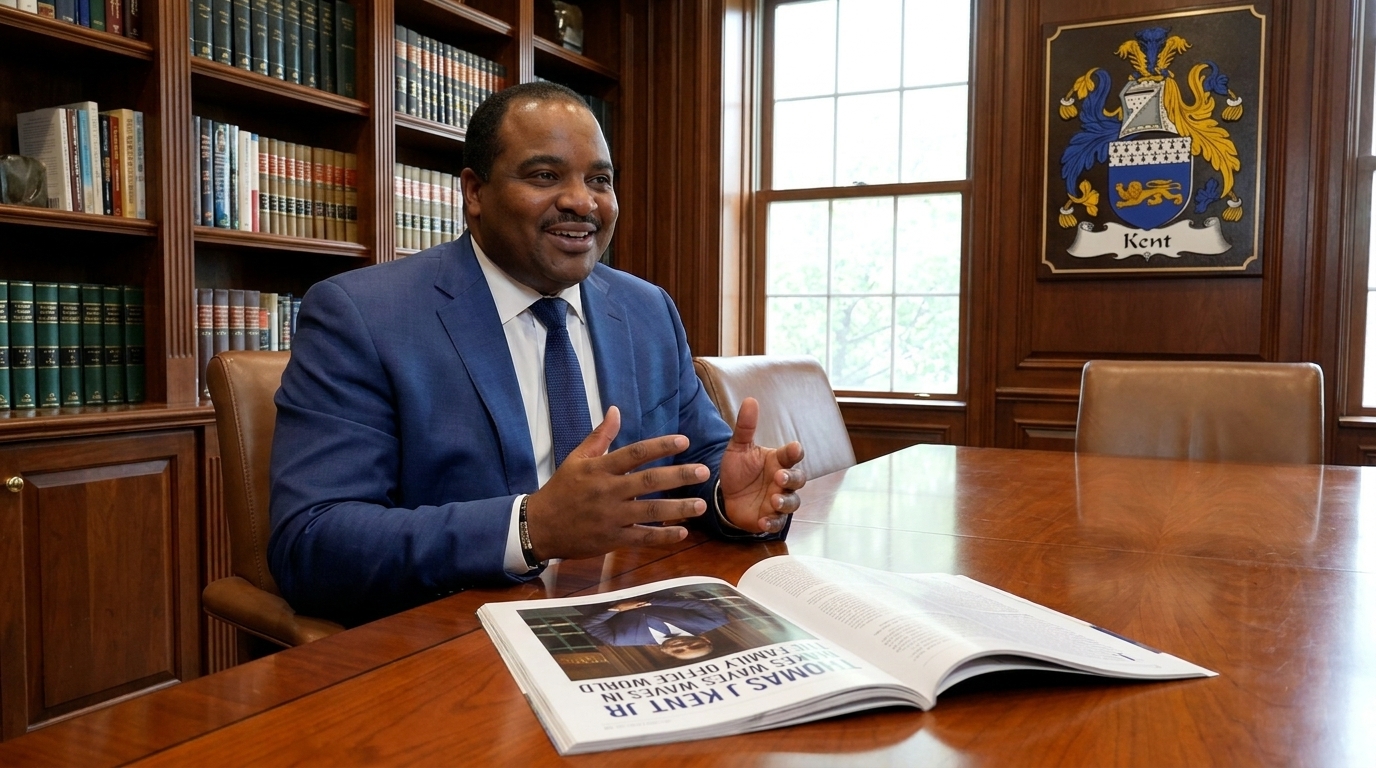
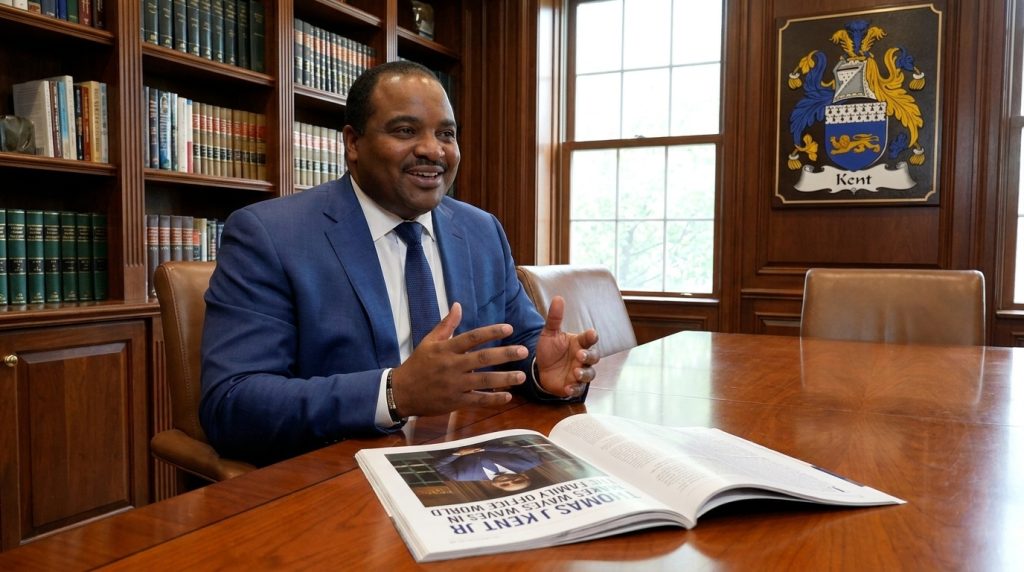
In the complex landscape of global finance, the concept of the family office has undergone a significant transformation. Once viewed as simple repositories for multigenerational wealth, modern family offices have evolved into dynamic, strategic powerhouses that influence sectors ranging from technology and real estate to the arts and venture capital. At the forefront of this shift is Thomas J. Kent Jr., whose leadership in both investment and strategic management has redefined how high-net-worth entities engage with the global economy.
Redefining the Family Office
At its core, a family office is a private entity established to manage the financial, legal, and personal affairs of an ultra-high-net-worth individual or family. However, as the world becomes increasingly interconnected, the role has expanded. Today, successful family offices are not just about preservation; they are about active, purpose-driven growth.
Figures like Thomas J. Kent Jr. have demonstrated that a family office can function as an agile investment firm. By blending traditional banking expertise with a modern, proactive approach, organizations like Kent Global LLC have become instrumental in bridging the gap between small-scale startups and large-scale governmental investment projects. This shift underscores a broader industry trend: family offices are increasingly seeking out direct investment opportunities that offer both financial returns and meaningful societal impact.
Strategic Diversification and Global Reach
One of the most critical aspects of contemporary wealth management is strategic diversification. A robust family office portfolio often transcends traditional public equities. Instead, it dives deep into “alternatives”—a category that includes private equity, direct venture investments, and even luxury assets like film and media.
The impact of such diversified strategies is profound:
- Risk Mitigation: By spreading capital across non-correlated asset classes, family offices protect long-term wealth against market volatility.
- Sector-Specific Influence: Whether investing in cutting-edge technology or the creative arts, family offices often act as “patient capital,” providing the long-term runway that entrepreneurs need to scale successfully.
- Cultural and Social Capital: Beyond the balance sheet, modern leaders are leveraging their platforms to support philanthropy and the arts, turning financial success into a tool for social good.
The Role of Visionary Leadership
What sets apart the most successful offices in today’s market is the ability to anticipate global trends. The modern family office is no longer a passive observer of the market. It is an active participant that shapes industry standards through informed decision-making and a global perspective.
For many investors, the challenge lies in balancing immediate liquidity needs with long-term legacy goals. This requires a sophisticated team of experts—from tax and legal specialists to chief investment officers—who operate under a clear, unified vision. Whether the goal is to fund the next breakthrough in clean energy or to produce impactful cinema, the structural integrity of the family office provides the necessary foundation for such ambitious pursuits.
Embracing the Future
As we look toward the future of global finance, the influence of private investment structures will only grow. The ability to integrate professional-grade investment strategies with personal, values-based decision-making is the hallmark of the current era. As organizations continue to iterate on their strategies, those who maintain agility while staying true to their core mission will continue to thrive.
The evolution of these entities is a testament to the fact that wealth, when managed with precision and vision, can serve as a potent catalyst for innovation. By fostering collaborations that span continents and industries, the next generation of family offices is not only securing their own financial futures but is also playing a vital role in building the economic infrastructure of tomorrow.
