
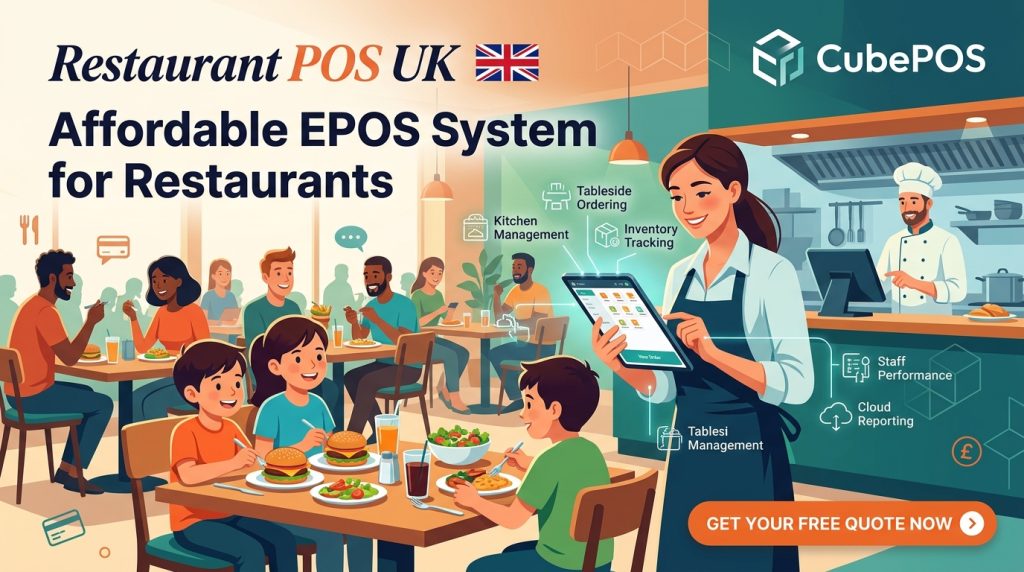
The hospitality sector in Birmingham is currently witnessing a period of unprecedented growth and innovation. From the fine-dining establishments in the city center to the independent bistros scattered across the Jewellery Quarter, the competition is fierce. To stay ahead, business owners are recognizing that providing excellent food is only half the battle; the other half is won through operational efficiency and seamless service.
The Shift Toward Digital Excellence
In the fast-paced environment of a modern kitchen, communication is everything. Traditional methods of taking orders—relying on handwritten tickets and verbal call-outs—are increasingly seen as liabilities. One small misunderstanding can lead to food waste, delayed service, and a disgruntled customer. By integrating a professional Restaurant POS system in Birmingham, local restaurateurs are effectively eliminating these bottlenecks.
These digital hubs act as the central nervous system of the business. When a server inputs an order at the table, it is instantly transmitted to a kitchen display screen. This real-time synchronization allows the culinary team to begin preparation immediately, reducing wait times and ensuring that every dish is served exactly as the guest requested. In a city where the “foodie” culture is rapidly expanding, this level of precision is what builds a lasting reputation.
Protecting Your Bottom Line
Beyond the dining room, the economic pressures of 2026—including fluctuating ingredient costs and labor shortages—make backend management more critical than ever. A sophisticated point-of-sale solution provides owners with a wealth of data that was previously inaccessible to smaller independent venues.
Automated inventory tracking is one of the most significant advantages of this technology. By monitoring stock levels in real-time, managers can see exactly which ingredients are being used and identify patterns of waste. This data-driven approach to menu engineering allows chefs to focus on high-margin dishes while phasing out items that aren’t contributing to the bottom line. Furthermore, cloud-based reporting allows owners to monitor sales and labor costs remotely, providing the flexibility needed to manage multiple locations or enjoy a better work-life balance.
Enhancing the Guest Experience
The modern Birmingham diner expects more than just a meal; they expect a frictionless journey. This includes the ability to pay via mobile wallets, split bills effortlessly among a large group, and earn rewards through digital loyalty programs. Modern technology makes these interactions fast and secure.
When the administrative side of dining is handled by a reliable system, staff members are freed from the stress of manual calculations and technical glitches. This allows them to focus on genuine hospitality—offering wine pairings, explaining ingredients, and ensuring every guest feels valued. It is this human connection, supported by invisible technology, that creates the memorable experiences that drive repeat business.
A Future-Proof Foundation
As we look toward the future of the UK hospitality market, the gap between those who embrace technology and those who resist it will only continue to widen. Investing in a robust digital infrastructure is no longer a luxury for large chains; it is an essential tool for any Birmingham establishment that aims to be resilient, profitable, and relevant in a digital-first world.
