
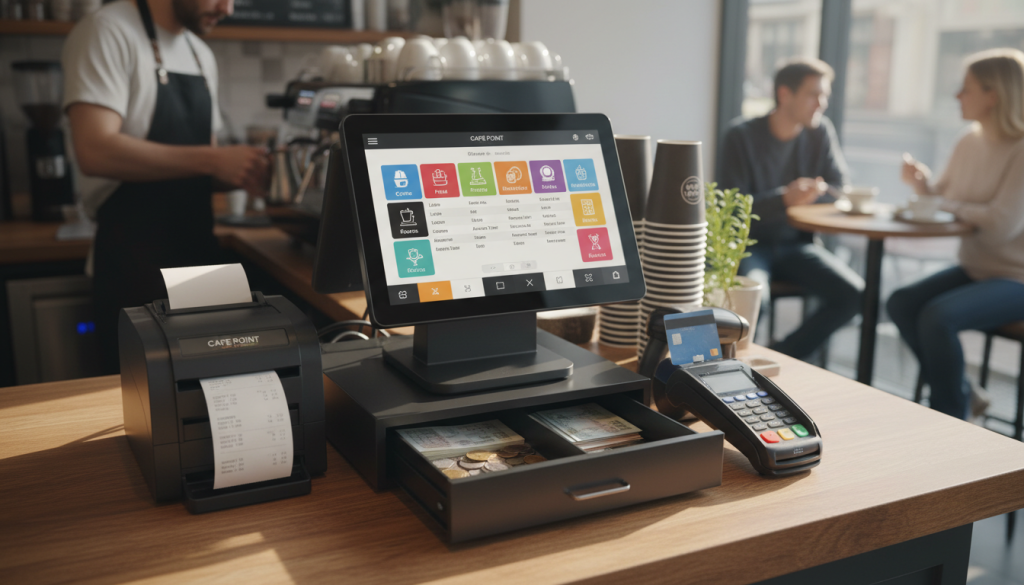
The hospitality landscape has undergone a tectonic shift over the last decade. Gone are the days when a simple cash drawer and a handwritten ticket system could sustain a growing business. In today’s high-velocity dining environment, the technology powering the back-of-house and front-of-house operations is just as critical as the ingredients in the kitchen. For business owners, the process of vetting restaurant POS vendors [Kh1] has become a strategic crossroad that dictates long-term scalability and daily efficiency.
The Evolution of Service Requirements
A modern Point of Sale (POS) system is no longer just a tool for processing transactions; it is the central nervous system of a restaurant. When engaging with various restaurant POS vendors, stakeholders must look beyond the user interface. The primary goal is to find a partner that understands the unique friction points of service—whether that is the chaos of a Friday night rush or the complexities of managing a rotating seasonal menu.
In a world where customer expectations are at an all-time high, the ability to streamline the guest journey is paramount. This includes everything from seamless mobile ordering and contactless payments to integrated loyalty programs that recognize a regular the moment they walk through the door. The right technology doesn’t just record a sale; it facilitates a relationship.
Critical Criteria for Selection
Choosing between different restaurant POS vendors requires a deep dive into several operational pillars. It is not enough for a system to be “feature-rich”; it must be “feature-relevant.”
- Hardware Durability and Aesthetics: Restaurants are harsh environments. Spills, heat, and constant physical use mean that hardware must be industrial-grade. Simultaneously, in a boutique or fine-dining setting, the equipment should complement the interior design rather than detract from it.
- Reliability and Offline Capabilities: In the cloud-based era, a lost internet connection shouldn’t mean a lost night of revenue. The most reputable restaurant POS vendors offer robust offline modes that allow staff to continue taking orders and processing payments, syncing data automatically once the connection is restored.
- Inventory and Labor Management: High-quality systems offer granular insights into food costs and labor percentages. By tracking stock levels in real-time and comparing them against sales data, managers can identify “shrinkage” or waste immediately, protecting the slim profit margins inherent in the industry.
The Importance of Post-Purchase Support
One of the most overlooked aspects when comparing restaurant POS vendors is the quality of their ongoing support. A system failure at 8:00 PM on a Saturday is an emergency that requires immediate attention. Business owners should prioritize vendors that offer 24/7 localized support and comprehensive training modules for new staff. A tool is only as effective as the person operating it; therefore, intuitive design and accessible education are non-negotiable.
Data-Driven Decision Making
The true power of modern technology lies in the data it collects. Leading restaurant POS vendors provide comprehensive reporting dashboards that turn raw numbers into actionable insights. Understanding peak service hours, high-margin menu items, and staff performance metrics allows owners to move away from “gut-feeling” management and toward a data-driven strategy. This level of transparency is what separates thriving establishments from those that struggle to stay afloat in a competitive market.
Future-Proofing Your Investment
As the industry continues to integrate with third-party delivery apps and online reservation platforms, the ability for a POS system to offer open API integrations is essential. You want a system that grows with you. When interviewing restaurant POS vendors, ask about their development roadmap. Are they investing in AI-driven analytics? Do they support the latest payment technologies like crypto-wallets or biometrics? Ensuring your vendor is forward-thinking prevents the need for a costly system migration just a few years down the line.
Conclusion
The decision to partner with specific restaurant POS vendors is an investment in the future of an establishment. It is about finding a balance between cutting-edge innovation and rock-solid reliability. By focusing on systems that prioritize the user experience, offer deep data insights, and provide unwavering support, restaurateurs can ensure their technology is an asset that drives growth rather than a bottleneck that hinders service. In the end, the best POS is the one that becomes invisible, allowing the staff to focus on what truly matters: the art of hospitality.
