
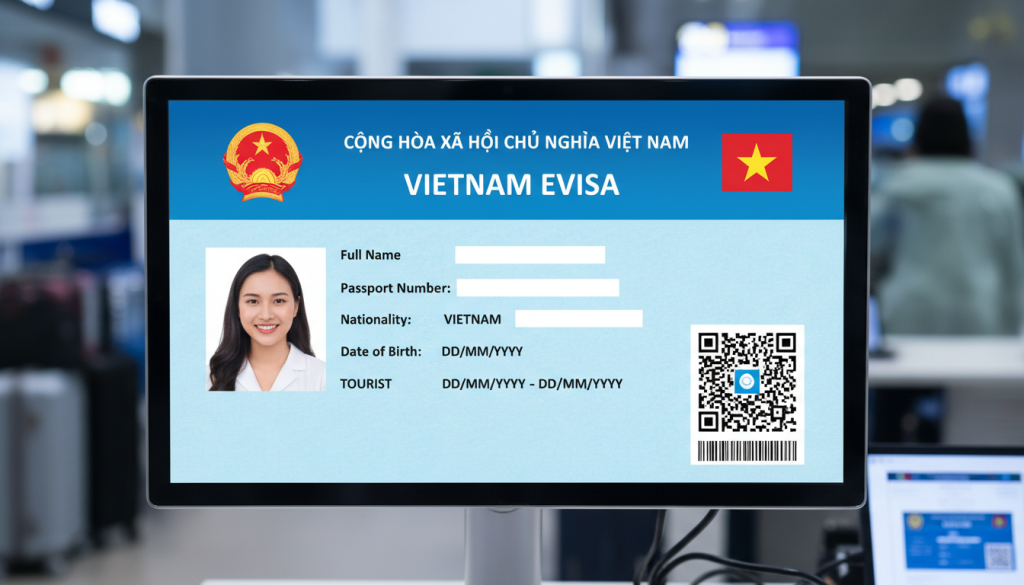
In the modern landscape of 2026, international travel has become more accessible yet increasingly reliant on digital precision. For travelers looking to bridge the gap between the historic crossroads of Eurasia and the vibrant energy of Southeast Asia, understanding the administrative nuances of entry is essential. Whether you are heading to Istanbul for a trade summit or Hanoi for a cultural expedition, the efficiency of your journey depends on mastering the Turkey Visa Application and the Vietnam e-Visa Application.
This guide provides an expert walkthrough of the requirements and strategies to ensure your travel authorization is handled with professional accuracy and speed.
Streamlining the Turkey Visa Application Process
Turkey remains a top-tier destination for both tourism and high-level commerce. For many nationalities, the traditional embassy visit has been replaced by a streamlined electronic system. However, a successful Turkey Visa Application requires more than just filling out a form; it requires attention to specific regulatory details.
Critical Success Factors
- Passport Validity: Ensure your passport has at least 150 days of validity from the date of your arrival in Turkey.
- Supporting Documentation: Depending on your nationality, you may be required to hold a valid visa or residence permit from a Schengen country, the USA, UK, or Ireland.
- Accuracy in Personal Data: The Turkish immigration system is highly sensitive to mismatched data. Ensure your name appears exactly as it does in the machine-readable zone (MRZ) of your passport.
For those planning to stay longer than the typical 30 or 90 days allowed by the e-Visa, a traditional consular visit is still required, emphasizing the importance of choosing the right visa category from the outset.
Mastering the Vietnam e-Visa Application
Vietnam’s digital transformation has made it significantly easier for international visitors to explore its stunning landscapes and booming business hubs. The Vietnam e-Visa Application is now the standard for travelers from over 80 countries, offering a simplified path to entry.
Key Requirements for a Smooth Approval
To ensure your Vietnam application is indexed and approved without delay, keep these “human-touch” tips in mind:
- Photo Standards: Upload a professional portrait with a plain white background. Avoid using casual “selfies” or cropped photos from other documents, as these are the leading cause of application rejection.
- Entry and Exit Points: You must decide your specific entry and exit gates (e.g., Tan Son Nhat Airport or the Moc Bai land border) before applying. Your visa is valid only for the ports listed on the approved document.
- The 90-Day Rule: Take advantage of the 2026 regulations that allow for a 90-day stay with multiple-entry options, perfect for those using Vietnam as a hub to explore neighboring Southeast Asian markets.
The Importance of Accuracy in Digital Filing
Whether you are submitting a Turkey Visa Application or a Vietnam e-Visa Application, the “indexability” of your data by government systems matters. Modern immigration platforms use automated cross-referencing to verify the purpose of your stay. Discrepancies in your “Current Occupation” or “Intended Address” can trigger secondary reviews that lead to travel delays.
Always provide clear, professional titles and ensure your digital documentation—such as passport scans and payment confirmations—are high-resolution and free of visual glares.
Conclusion: Setting the Stage for International Success
The ability to move freely across borders is a hallmark of the modern era. By meticulously preparing your Turkey Visa Application and understanding the specific hurdles of the Vietnam e-Visa Application, you eliminate the friction that can stall global exploration. Prepare your documents with precision, respect the processing timelines, and step into your next destination with the total confidence of an experienced traveler.
