
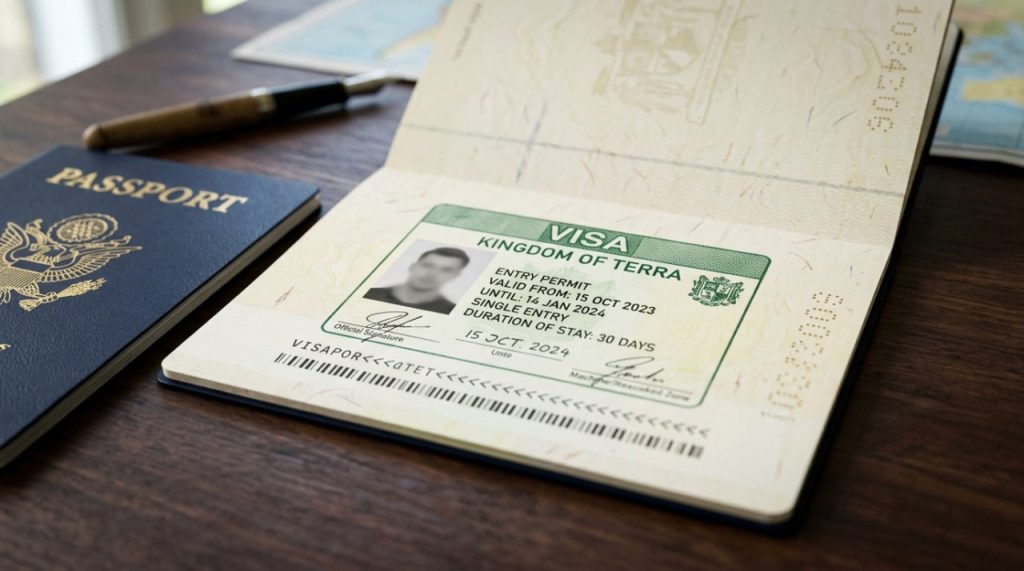
The Indian subcontinent has long been a magnet for seekers of spirituality, history, and vibrant culture. From the snow-capped peaks of the Himalayas to the tropical backwaters of Kerala, the sheer diversity of the landscape is matched only by the complexity of its administrative evolution. In recent years, India has undergone a massive digital transformation, particularly in how it welcomes international visitors. The introduction of the e-Visa system has replaced a once-cumbersome process with a streamlined, digital-first approach.
For travelers coming from Central Asia and the Baltic regions, understanding these digital entry protocols is the key to unlocking the wonders of the Taj Mahal or the tech hubs of Bangalore.
Strengthening Central Asian Ties: Traveling from Kyrgyzstan
The relationship between India and Central Asia is rooted in the ancient Silk Road, and today, that connection is being revitalized through tourism and trade. Kyrgyz travelers are increasingly looking toward India for medical tourism, spiritual retreats, and business opportunities. However, navigating the bureaucratic requirements is a prerequisite for a successful journey.
Securing an INDIAN VISA FOR KYRGYZ CITIZENS is now a largely online endeavor. The e-Visa covers categories such as tourism, business, and medical visits. For a Kyrgyz citizen, ensuring that the passport is scanned correctly and that the digital photograph meets India’s specific dimensions is crucial. This digital bridge not only simplifies travel but also fosters deeper cultural exchange between Bishkek and New Delhi, making the vast geography between them feel significantly smaller.
Connecting the Baltics to Bharat: The Lithuanian Perspective
On the other side of the globe, Lithuanian citizens are exploring the East with newfound curiosity. As a member of the European Union, Lithuania has high standards for digital integration, and the Indian e-Visa system aligns perfectly with these expectations. Whether it’s a yoga teacher seeking a certification in Rishikesh or a digital nomad exploring the beaches of Goa, the process is designed for efficiency.
When applying for an INDIAN VISA FOR LITHUANIAN CITIZENS, travelers must be diligent about their documentation. The Indian government requires that the passport remains valid for at least six months from the date of arrival. Furthermore, Lithuanian travelers should be aware that the e-Visa is not extendable or convertible. By preparing these details well in advance, travelers from the Baltic region can ensure their arrival in India is defined by hospitality rather than hurdles at immigration.
Essential Preparation for the Indian e-Visa
To ensure your application is successful and your entry is smooth, keep these expert tips in mind:
- Select the Right Category: India offers specific e-Visas for Tourism (30 days to 5 years), Business, and Medical purposes. Ensure your intent matches your visa type.
- Check the Port of Entry: The e-Visa is valid for entry through specific designated Airports and Seaports. Double-check that your arrival city is on the approved list.
- Print Your ETA: While the visa is linked to your passport electronically, the “Electronic Travel Authorization” (ETA) must be printed and carried with you to show at the immigration desk.
By mastering the nuances of the e-Visa system, global citizens can focus on what truly matters: immersing themselves in the unparalleled beauty and spirit of India.
